
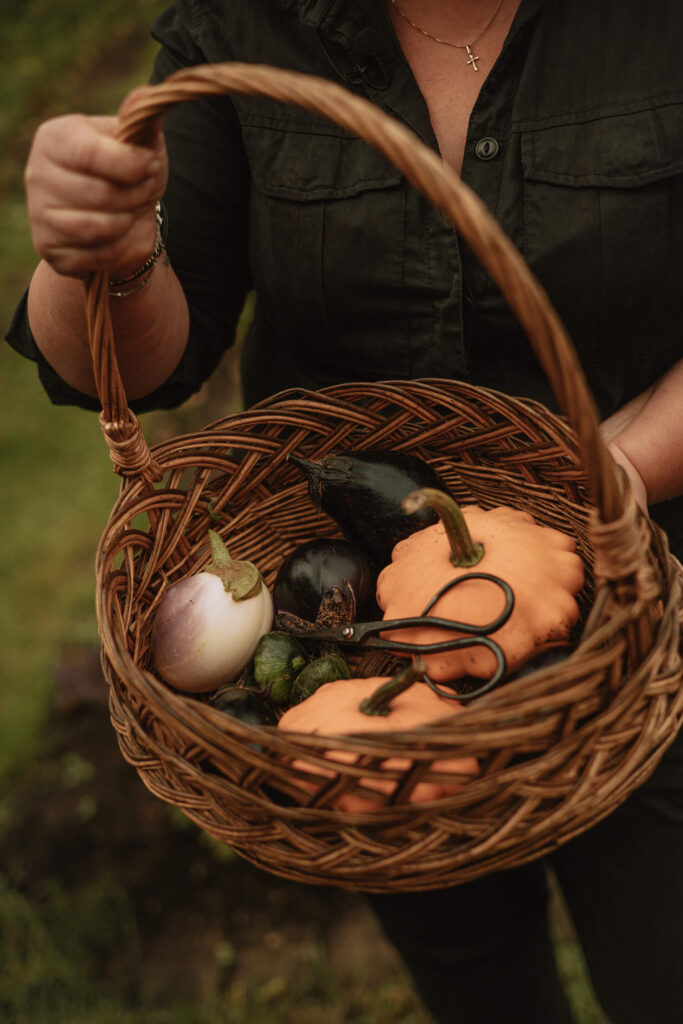
We are used to associating gardening with rural life. However, is there any way to live in a city without significant agricultural backup?
People have learned to cultivate plants and breed animals, enabling them to live a sedentary lifestyle and thus build cities. Even behind the walls of the fortress cities, there was always space for gardens and beds. Urban vegetable gardens appeared both on private homesteads and in the courtyards of palaces, monasteries, and medical or educational institutions. And the more densified the buildings got, the more urgent the greening of the stone streets became.
Ukrainians tend to emphasise their agricultural roots. With the Soviet regime and the industrial boom, peasants began to move to the city in droves. The new citizens brought the tradition of cultivating the land into the urbanized space. Vegetable beds have appeared around high-rise buildings, and gardening has become a popular form of active recreation due to the so-called “dachas” (summer houses).
When researching vegetable gardening, the City Museum team hoped to record a disappearing cultural practice. We are witnessing its modification or rebirth. Covid and the full-scale war gave different generations of Lviv residents the impetus to experiment with growing vegetables, fruits, and herbs. Today, everyone finds their motivation for gardening: some stock up on food “just in case,” and others grow because they want to eat organic food or simply from a desire to find emotional balance and psychological therapy through plant care. Tens of people we had the opportunity to talk to as part of this project prove that gardens and vegetable gardens are an integral part of the ecosystem of a modern city.
Below, we will introduce you to a few heroes and their gardening journey.
Bishop Volodymyr Hrutsa: “Agricultural sector” in the Metropolitan Gardens
Gardening has long been a routine for monks. Monasteries were surrounded by gardens, vegetable gardens, or even entire fields. Herbs were grown in the walls of monasteries. In Lviv, these once-agrarian areas were repurchased from the church long ago and built up. However, in some places, this tradition is still alive. Meanwhile, between meetings and services, the auxiliary bishop of the Lviv Archeparchy, Volodymyr Hrutsa, tends a small vegetable garden on the St. George’s Hills.
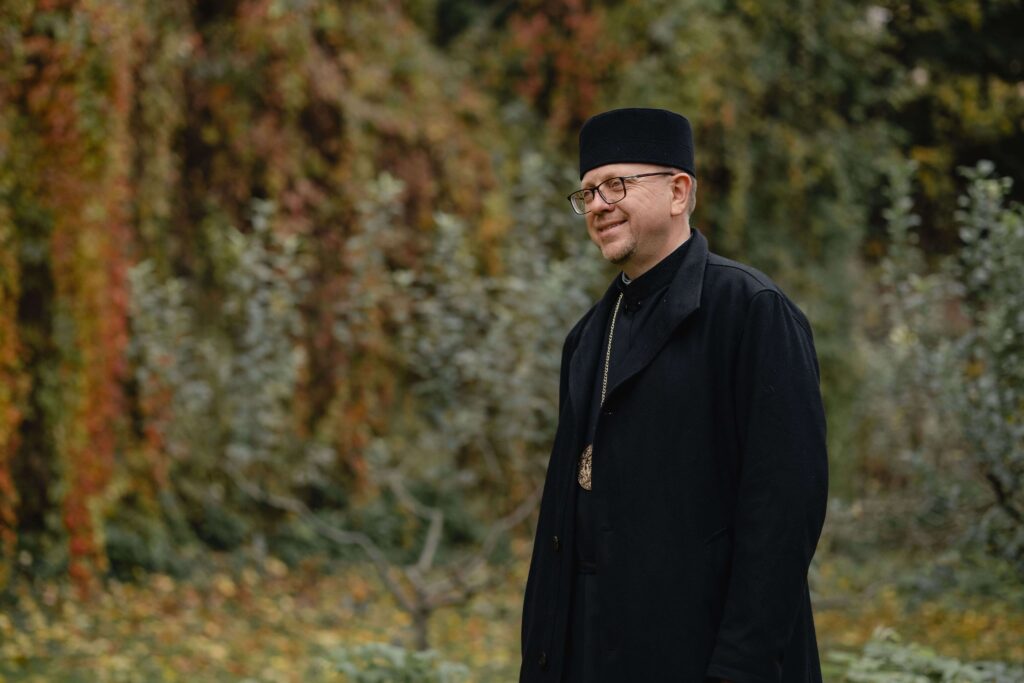
‘Ever since the Middle Ages in Western Europe, kings and counts wanted to boost the economy in their kingdom. Do you know what they did? They invited monks and became founders of monasteries. And then schools, education, culinary, and culture appeared at the monasteries, and this stimulated the territory development,’ says the bishop, passing flower beds and perfectly trimmed labyrinths of bushes in the Metropolitan Gardens. He heads for a small wicket leading to a lower terrace – “agricultural sector.”
It’s October, and the harvest has already been gathered here. The bishop shows us where the potatoes grew, and recently, pumpkins were harvested here. We store the vegetables in the basement. Later, it will be on the table of the Cathedral’s clergy.
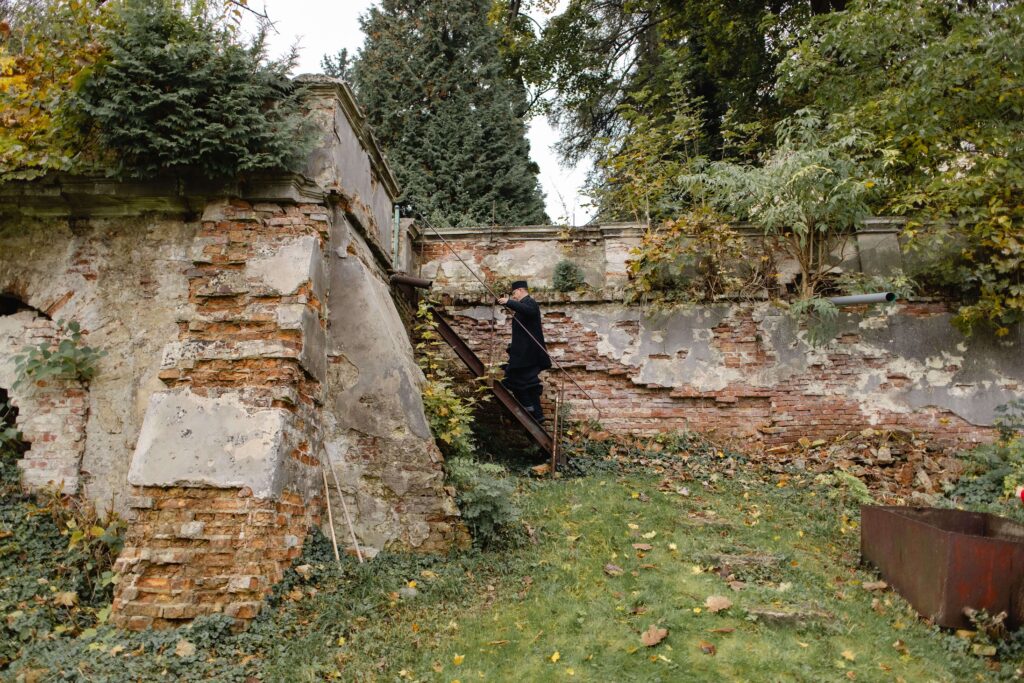
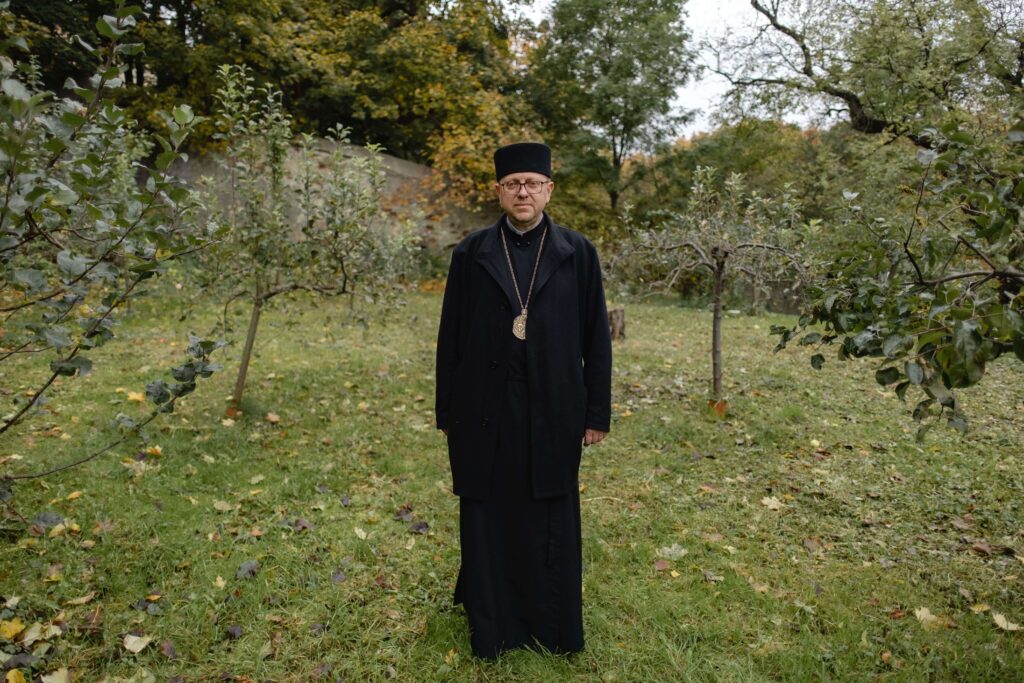
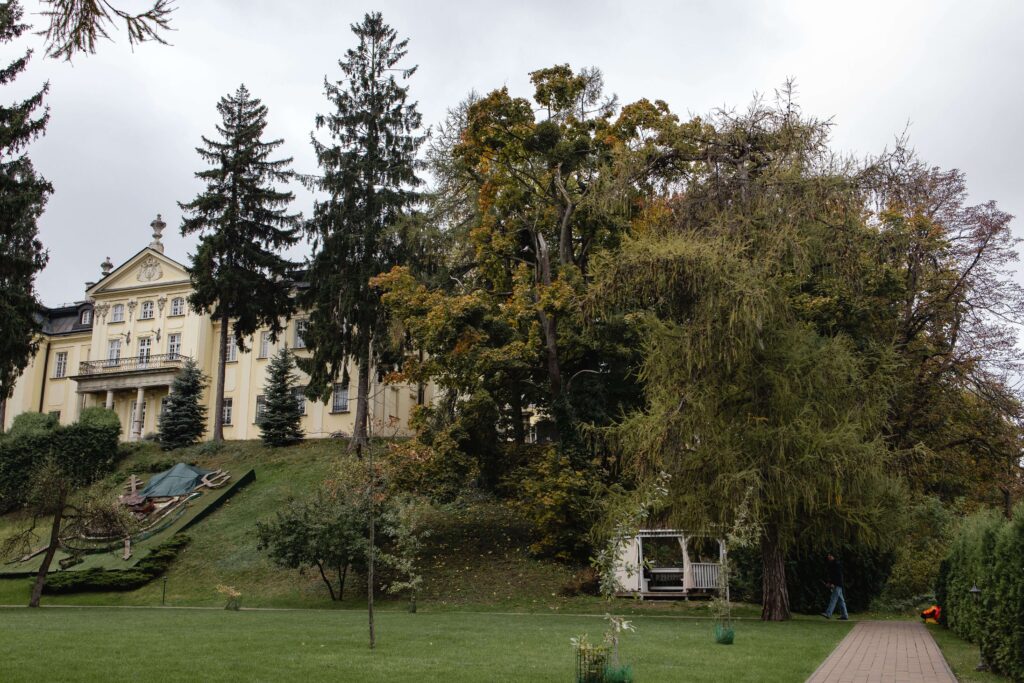
His passion for growing plants came to him long before he moved to St. George’s Hills. The bishop remembers participating in family field projects such as digging potatoes, harvesting, or haymaking since childhood. He also gardened in the monastery. Tending to the plants, he relaxes.
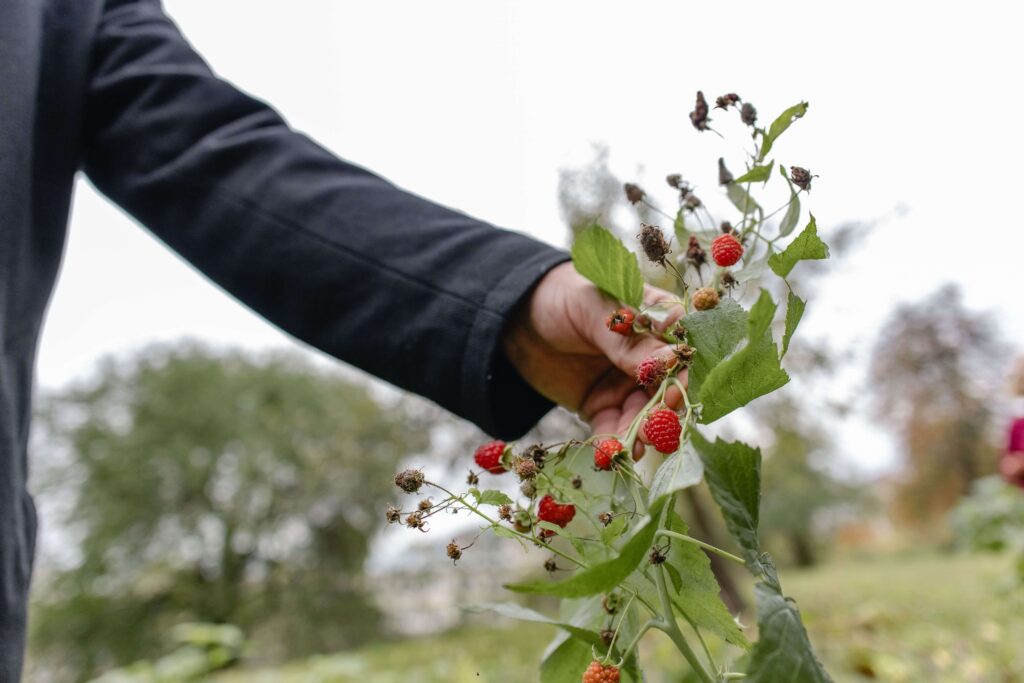
‘I try to hear the plants. And the plants tell me what they need,’ says Bishop Volodymyr. He shows a cut raspberry branch. It will be used to cover the garlic.
“You see, this is also a pastoral moment,” Grutsa emphasizes, “you need to prune plants but never uproot them. Similarly, our roots are important in our spiritual life. It’s how we live.”
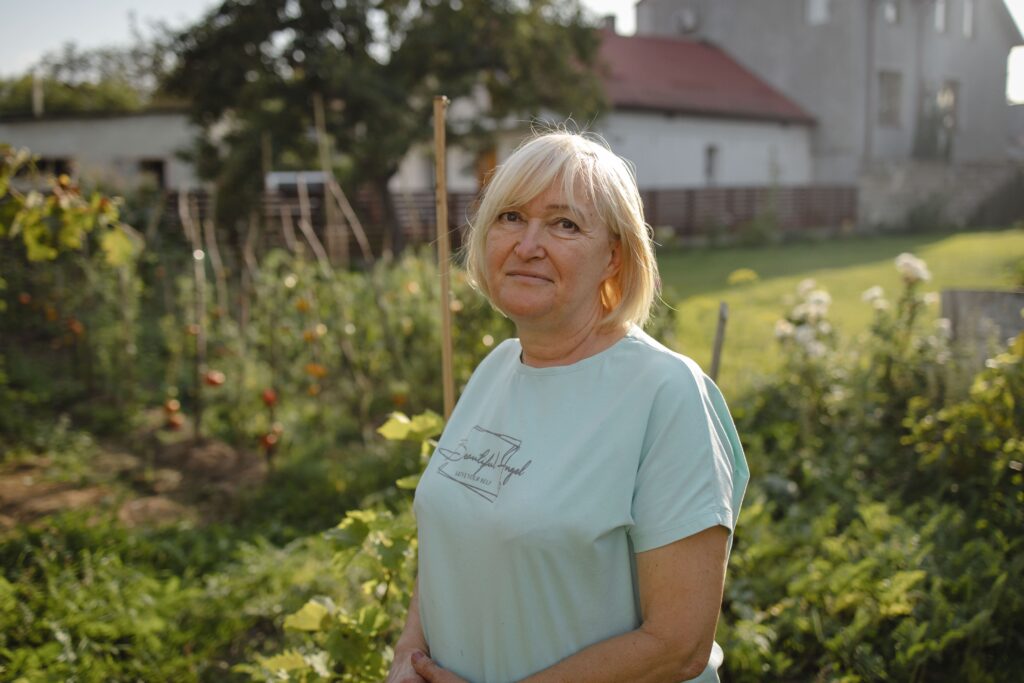
Oksana Havryliv: the revival of Lviv grape growing and the most delicious tomatoes
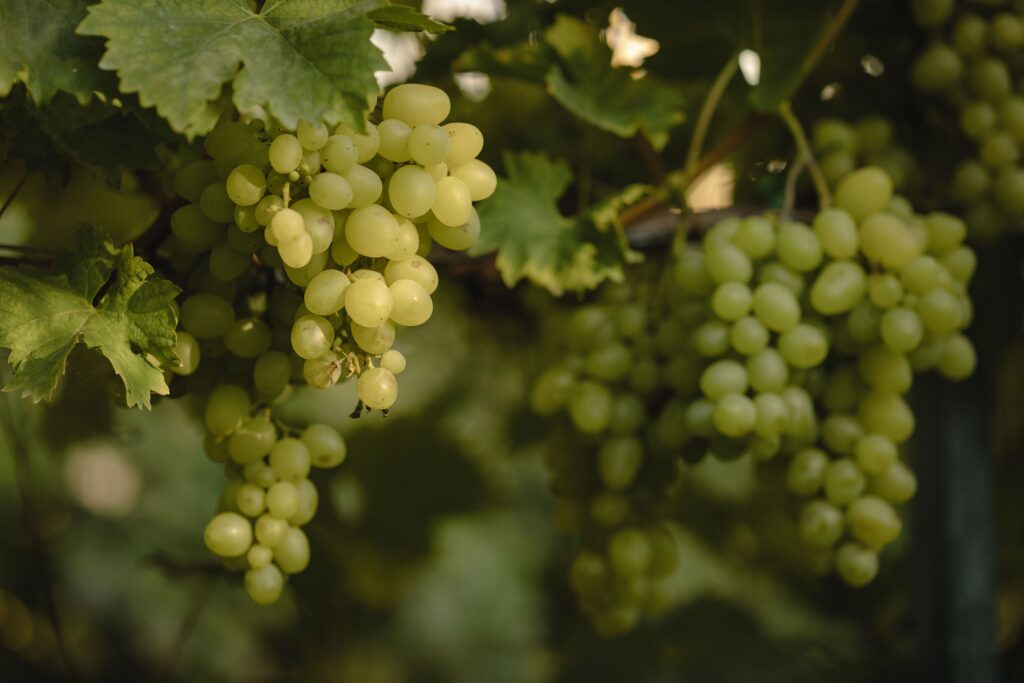
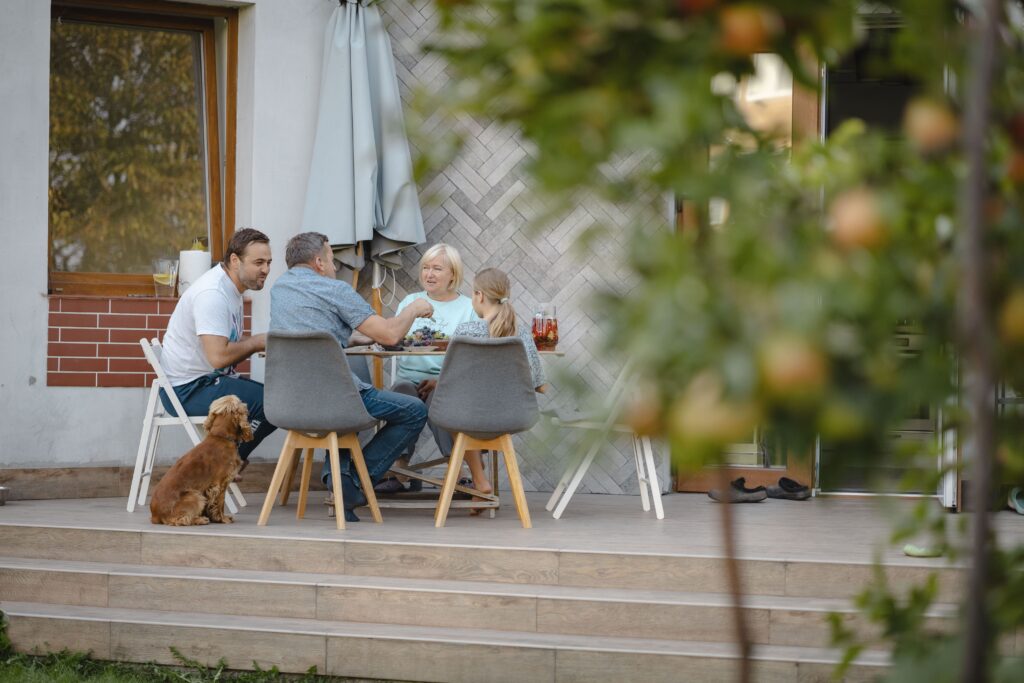
In the evening, Oksana Havryliv sets the table on the terrace of her house in Sokilnyky. The menu includes fresh tomatoes, stuffed peppers, several grape varieties, plum pie, and homemade Nutella. All from local products. The Havrylivs grow fruits, vegetables, and even hazel on their plot of land.
Oksana recalls the first time she came here when her future husband invited her to meet his grandmother. Then, every square meter of the territory was planted with potatoes, carrots, onions, cabbage, beets, and other crops. Only in front of the house were flowers.
‘My grandmother didn’t like the garden very much. She said that you have to work hard for it,’ the woman says, emphasizing that times were different then. Her grandparents’ salary was not very high, and they survived thanks to the vegetable garden.
Oksana says that she was not too afraid of the prospect of working on the land because she did not understand how much work such a food insurance scheme required. ‘I was a child of asphalt,’ she laughs. She and her husband used to help the elderly, but her interest in gardening came after a trip to the Ternopil region. Back then, she was surprised that tomatoes were growing and ripening in the western part of the country. She still remembers their taste to this day.
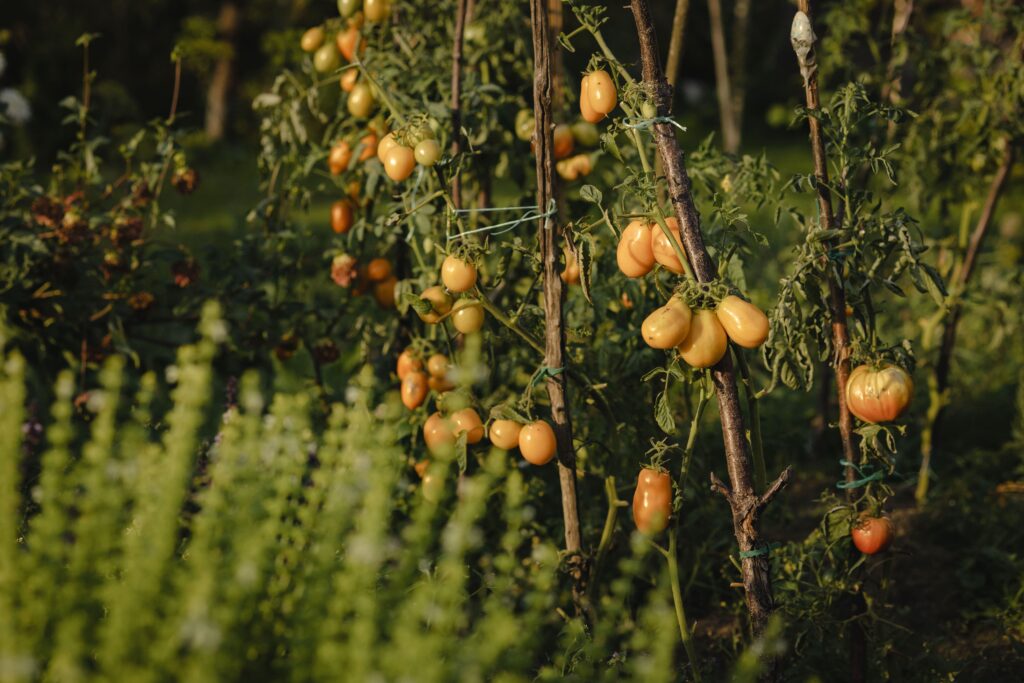
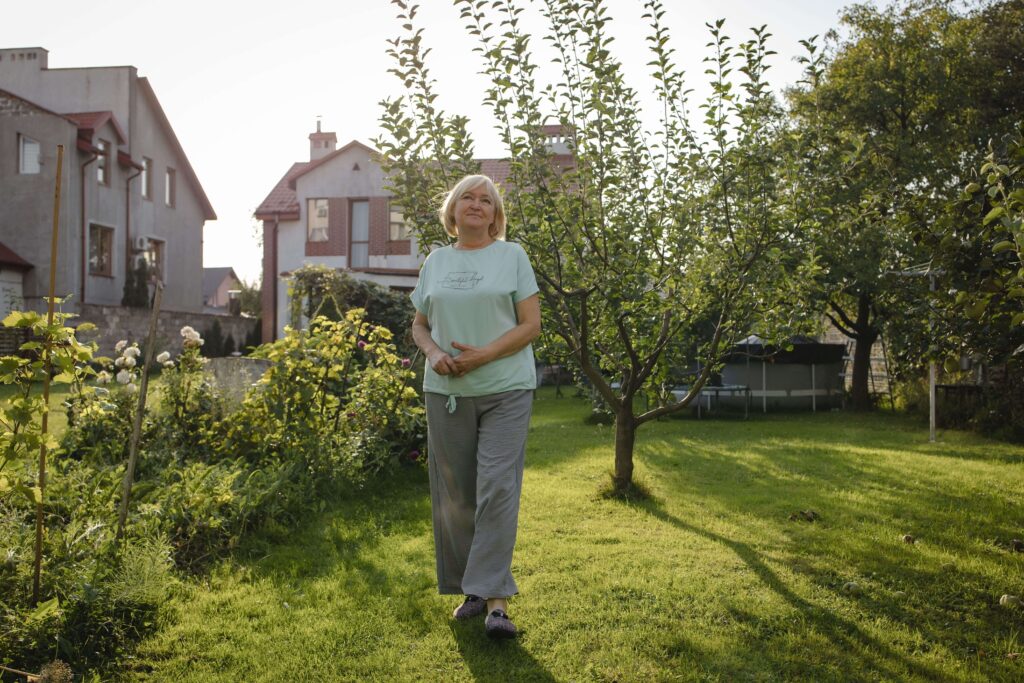
Another turning point was a radio program in which Lviv historian Ihor Lelio told a story about the crops grown in the city. ‘He told me that one part of the Lviv region grew grapes and the other – tomatoes,’ says Oksana Havryliv. It happened in their family as well. Now, she is experimenting with different sorts of tomatoes in her garden. And her husband took up grape growing. The weather is favourable. Recently, they have grown kish-mish, monarch, arcadia, and other varieties on their plot. This year, the couple also tried planting watermelons.
‘It seems that today, everyone pays attention to what they eat. And, of course, they want a quality product. I try to cook dishes with quality products for my children and grandchildren,’ Oksana concludes.
Marko Nyzhnyk: “Green laboratory” on the family plot
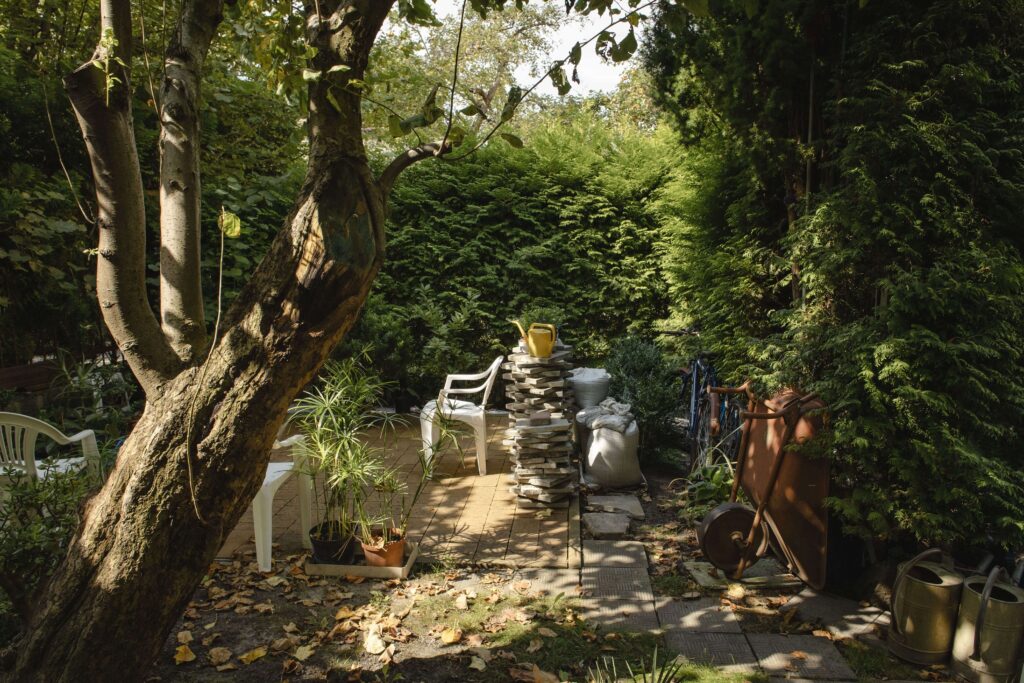
You will need a guide or navigator to get to the Nyzhnyk family home for the first time. Located between Zelena and Pohulyanka streets, Krushelnytskyh seems isolated from the bustling city life. There are almost no cars here, and it is much easier to find a parking space. Old trees create a thick shadow, and you can read the history of Lviv’s architecture of the 20th century from the facades of the buildings.
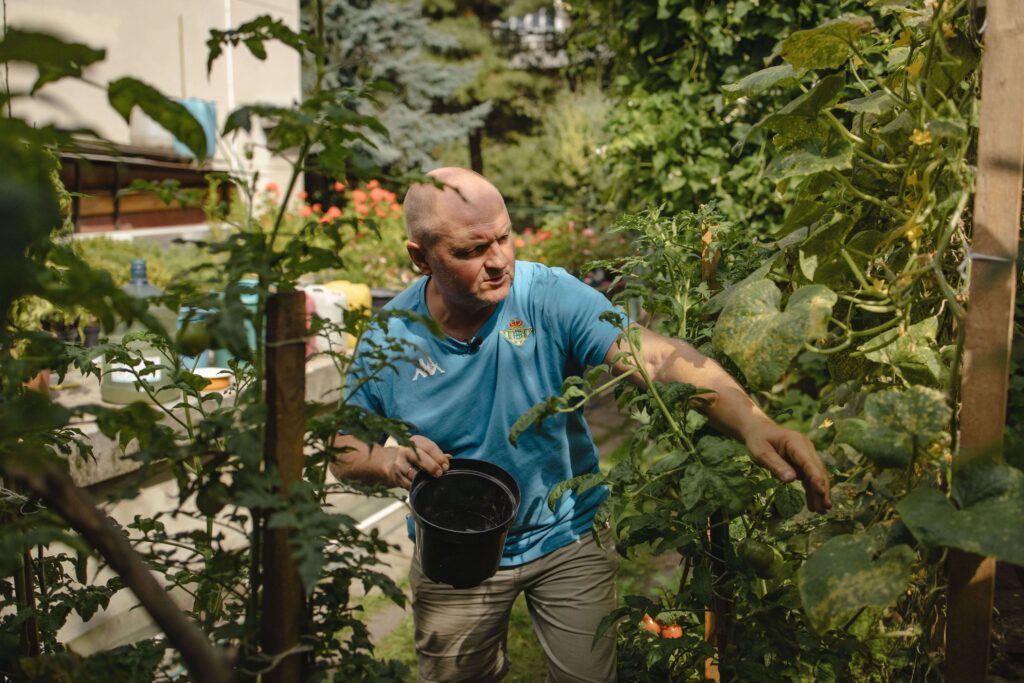
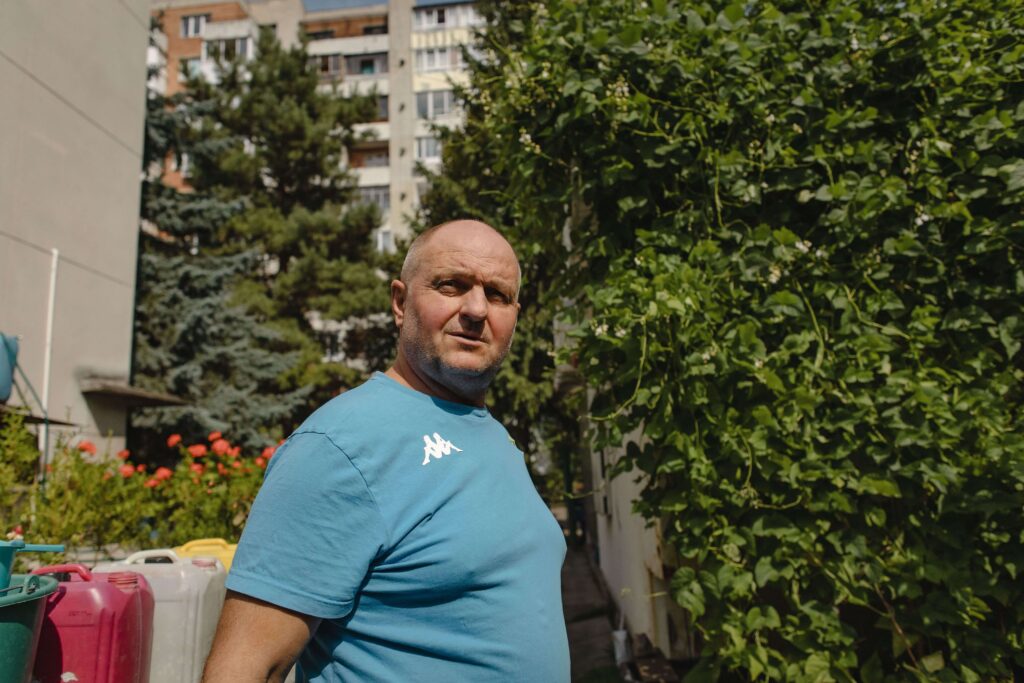
On the way to Nyzhnyk’s house, you pass Soviet 5-story buildings, and from Marko’s yard, through the green overgrown beans “yaska” in the garage, you can see the windows and glazed loggias of a relatively modern 9-story building.
“The building was finished around 1981,” Marko recalls, “before that, there were dormitories built by German prisoners of war. And interestingly, the houses had plasterboard and mineral wool insulation.”
Marko is a member of the third-generation family that lives here. His grandfather got the plot and built the house here. There have always been beds on the small plot of land. However, not much was grown. The extensive roots of a walnut tree growing in the neighbouring plot impeded planting more. Later, Nyzhnyk persuaded his neighbour to cut down the tree. Since then, he has had a small area for his agricultural experiments.
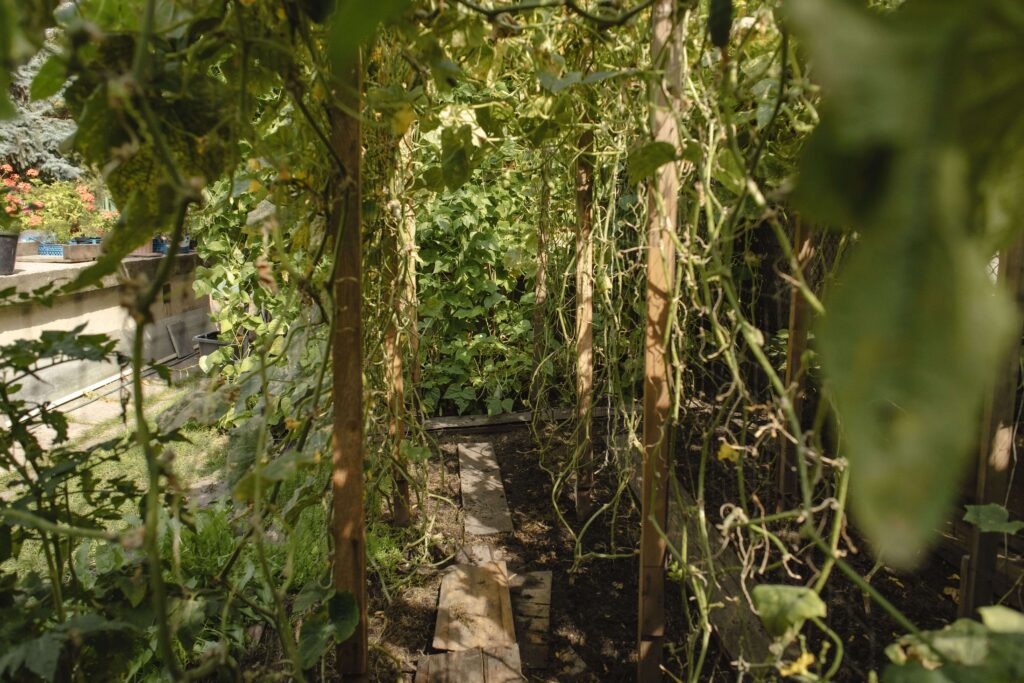
“Once upon a time, this was just a lawn,” says Marko, giving a tour of his yard, “and a ginkgo biloba tree grew. It is beautiful and decorative, and leaves you can use as medicine. And I decided that I needed one of those. But when it grew by a meter and a half every year, I thought in a few years, I would not be able to cut down that tree. While it was still small, I called my friend at UCU, and we transplanted it to the university.”
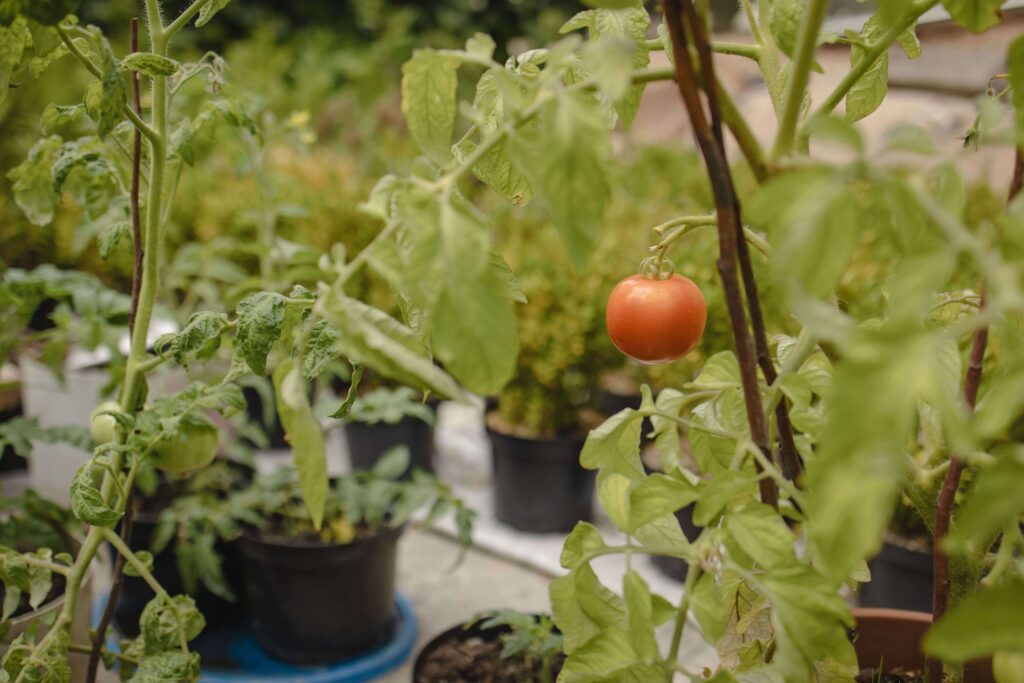
Now, the man is experimenting with vegetables. Cucumbers and tomatoes are now ripening where a neighbour’s walnut tree once blocked the growth of carrots and beets. ‘You may ask why we planted cucumbers so densely. It was more likely due to my ignorance, but now I know we should plant them much less frequently. Give each plant more sun, and it will be more hardy,’ Marko complains. Despite this, the family can collect about 3 litres daily during the season. What they don’t eat right away, they preserve. Nyzhnyk also planted tomatoes for the first time last year. For now, he has limited himself to seedlings recommended by the market women. He says that flowers might be more appropriate for the city, but if his vegetable garden doesn’t bother anyone, why not make himself and his children happy?
Oksana Oleiniuk-Pukhniak: A restaurant in the garden
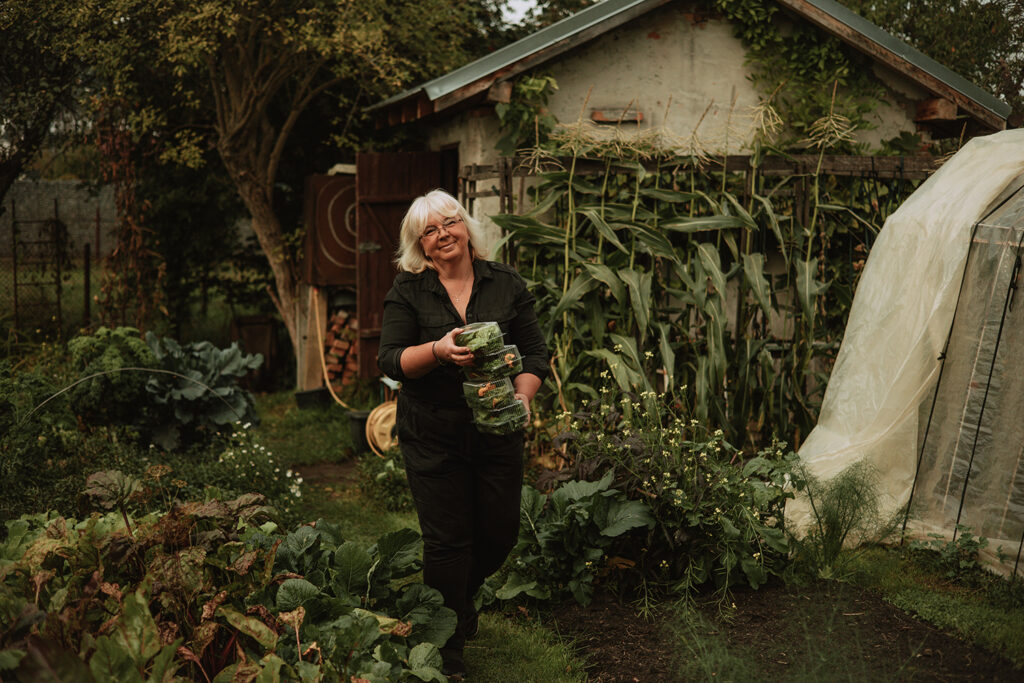
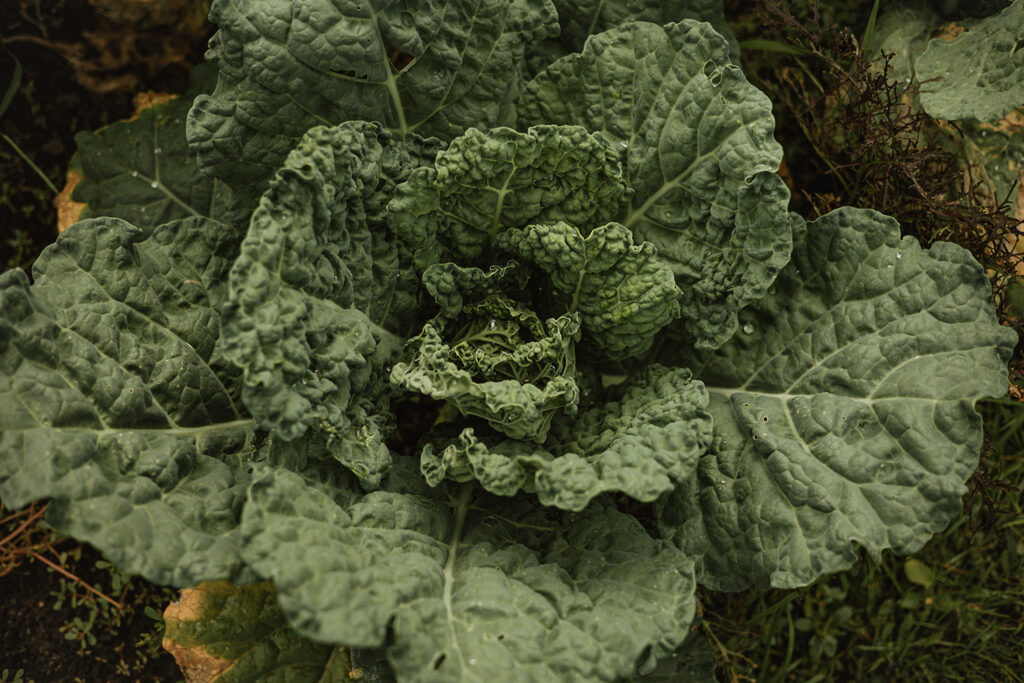
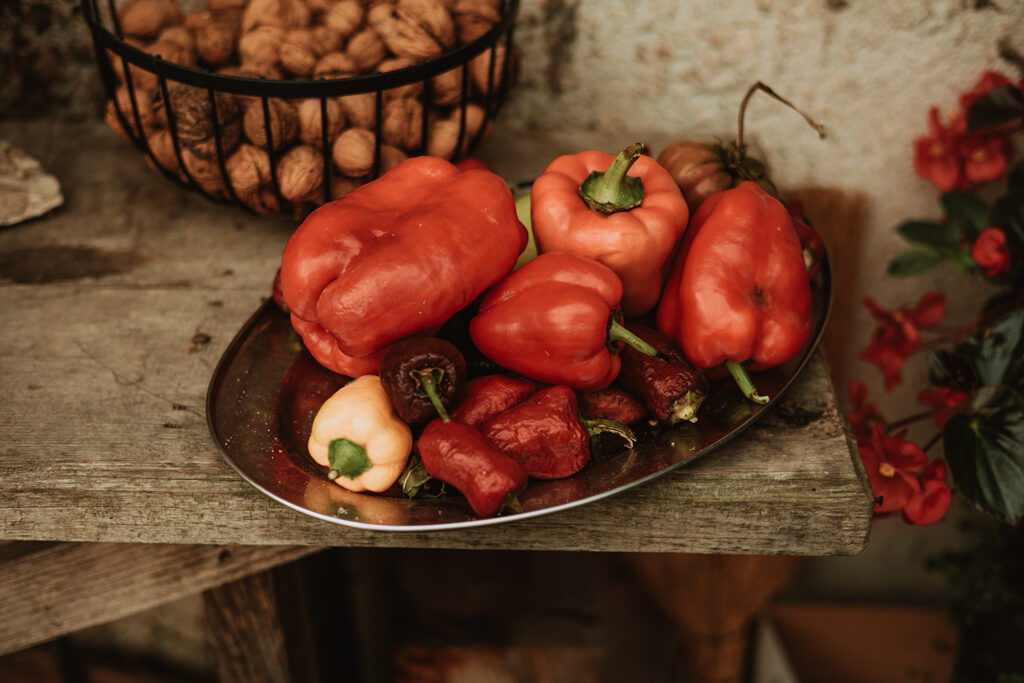
Today, people are becoming more eager for fresh, organic food, according to landscape architect Oksana Oleiniuk-Pukhniak. At her country dacha, she grows traditional potatoes and zucchini, and has also gathered a good collection of less popular plants in our area. Such as Turkish eggplant, Japanese basil, or Vietnamese onions.
‘It’s essential for me to tell people that plants, landscape, and gardening are not afraid but rather a vacation. It’s an interesting and enjoyable activity,’ says Ms Oleiniuk-Pukhniak. The architect is also the head of the Promin dacha cooperative. In the 1970s, employees of the knitting factory of the same name received plots here.
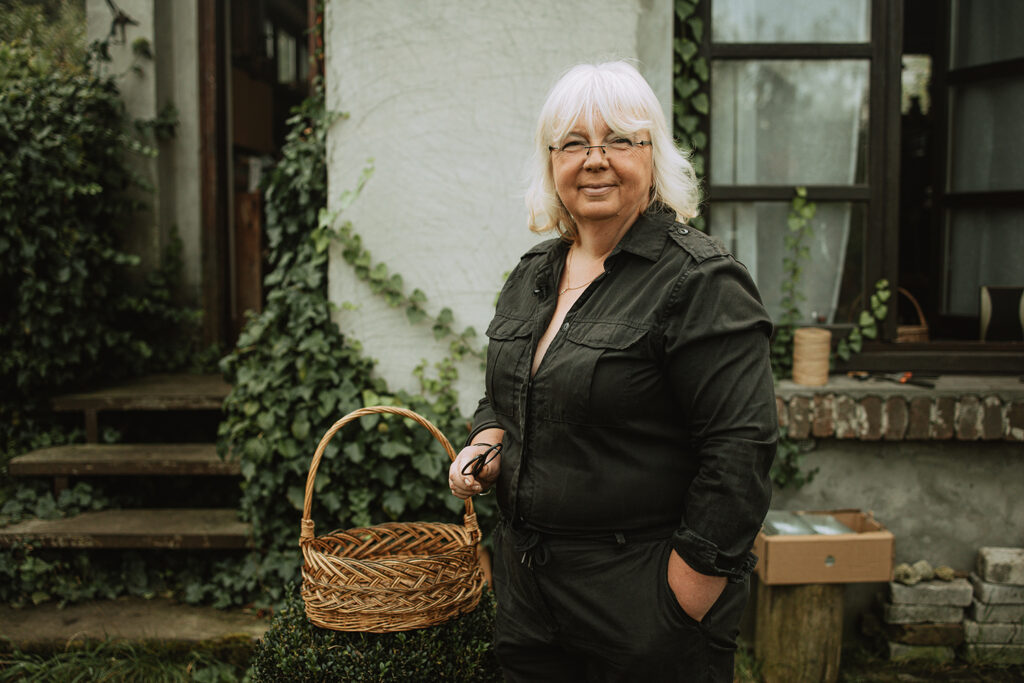
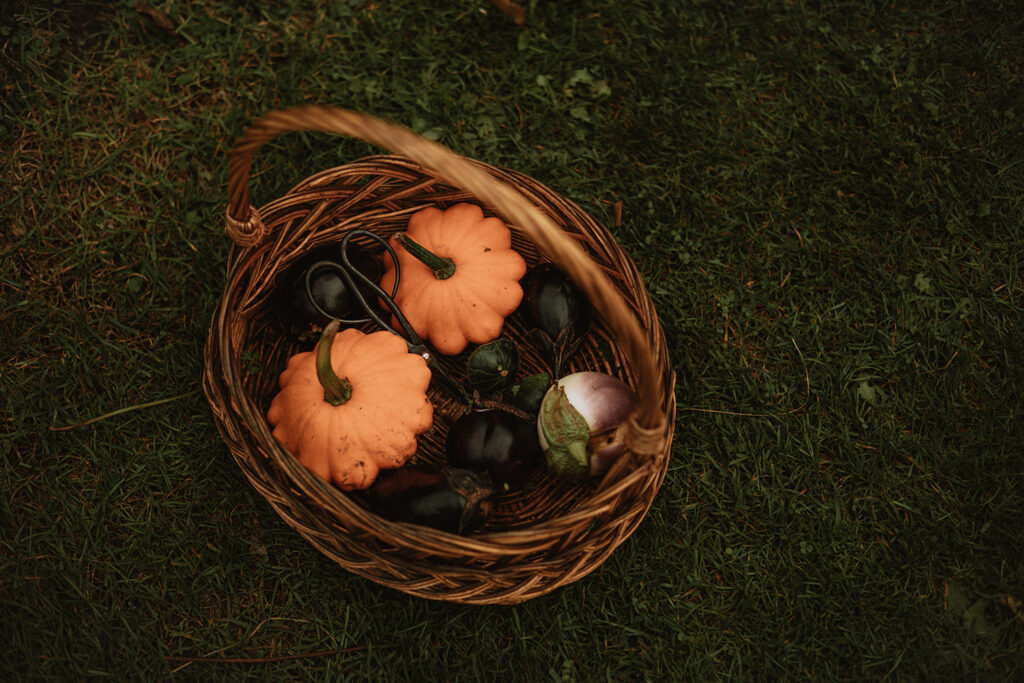
“My husband’s mother worked at this factory, in an artistic design bureau,” says Oksana, “and here, almost all the residents of this cooperative are descendants of the people who worked at this factory.” The woman says the area received a new life in 2020 during the pandemic. Many people moved closer to nature to endure the quarantine. Recently, the number of grandchildren of the factory’s employees who come to work in the garden has increased. However, it is no longer exhausting work but rather an exciting outdoor hobby for them.
Ms. Oleiniuk-Pukhniak is as creative as possible with her dacha. Everything here, from the interior to the dishes to the garden beds, looks like a picture on Pinterest. She is also active on social media and is coming up with new projects. For example, she invites her social media followers to visit a “restaurant in the vegetable garden.”
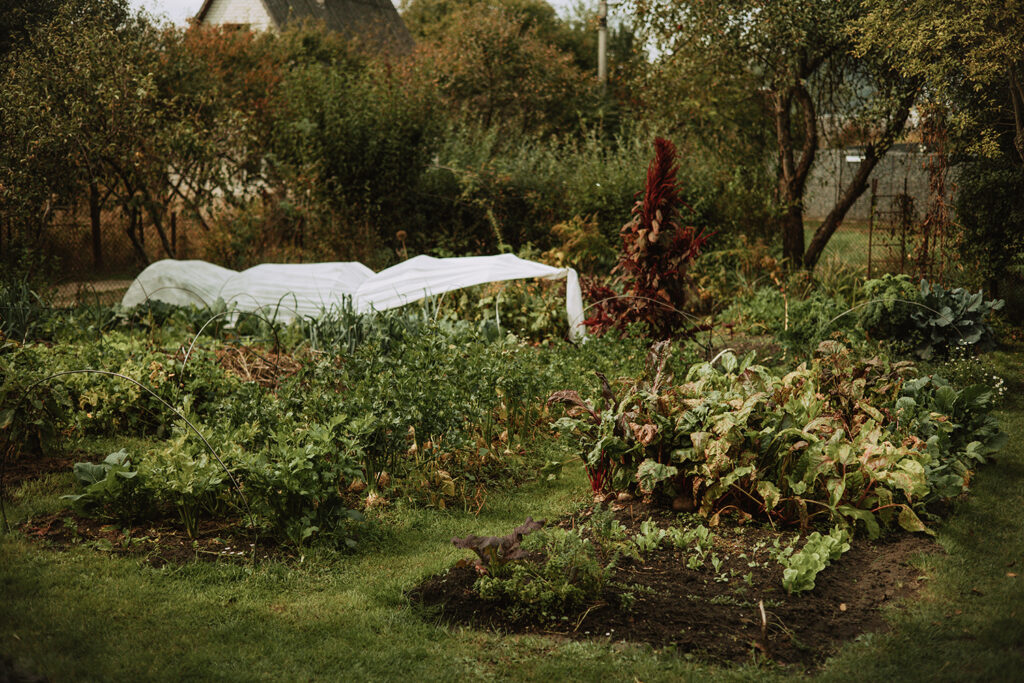
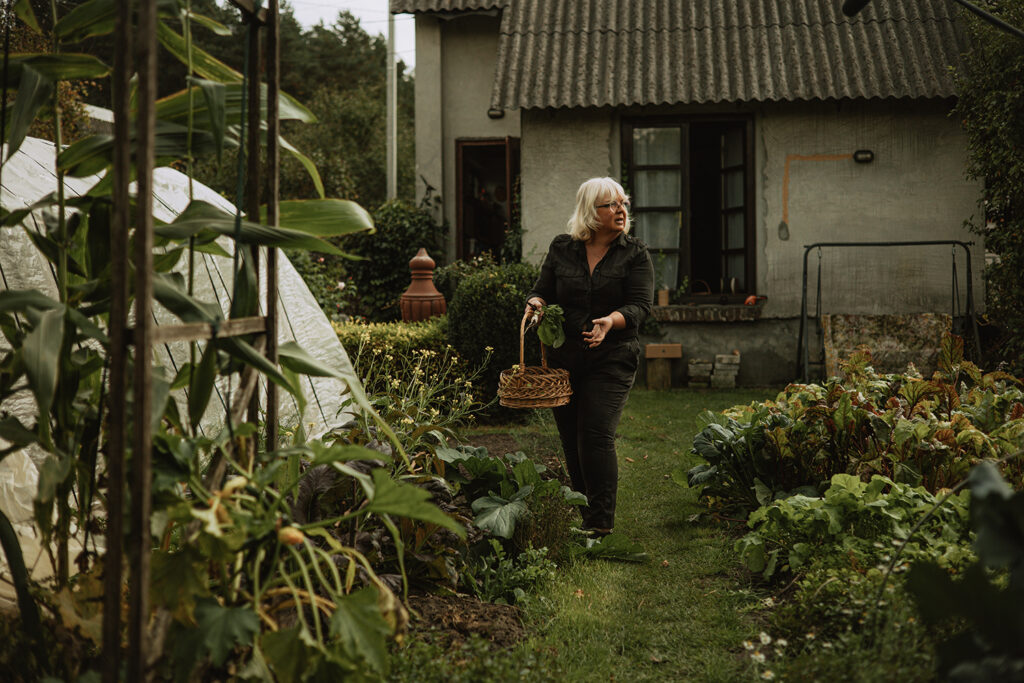
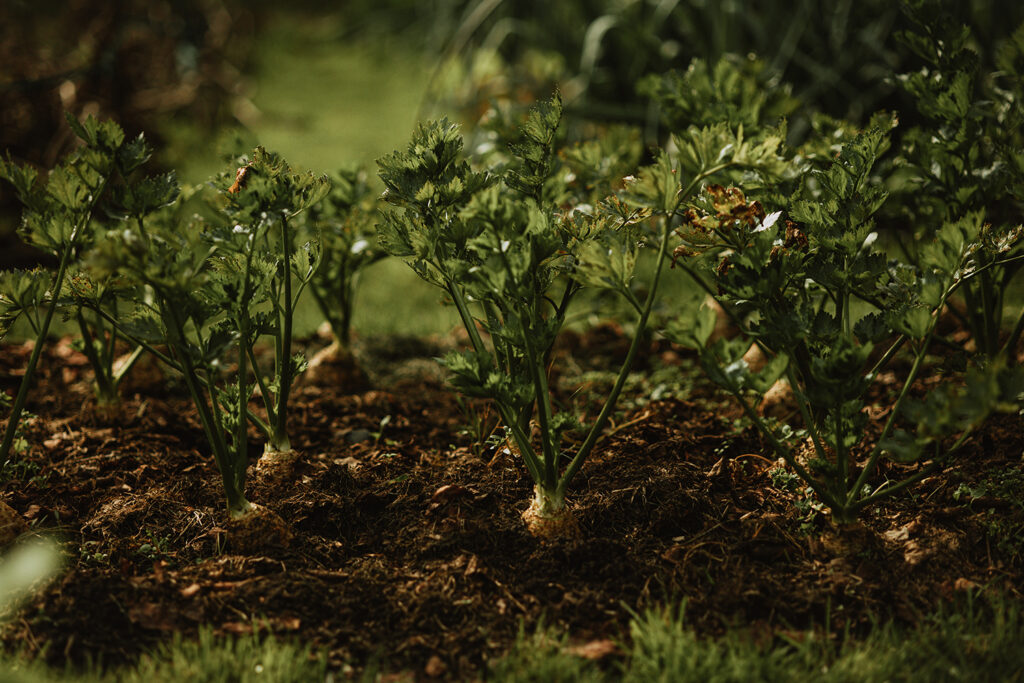
‘People come here and pick up what they like, and I cook for them,’ Oksana says of her idea.
Near the City Hall, she also sells vegetables and herbs grown at her dacha in the “Nasampered” gastronomic boutique. ‘Everyone wanted to have this product available every day. So, I created this project. And why “Nasampered” (First of all)? Because it’s about health first, about yourself and fresh food,’ Oksana says.
Modular town “Mariapolis”: returning home through vegetable gardening
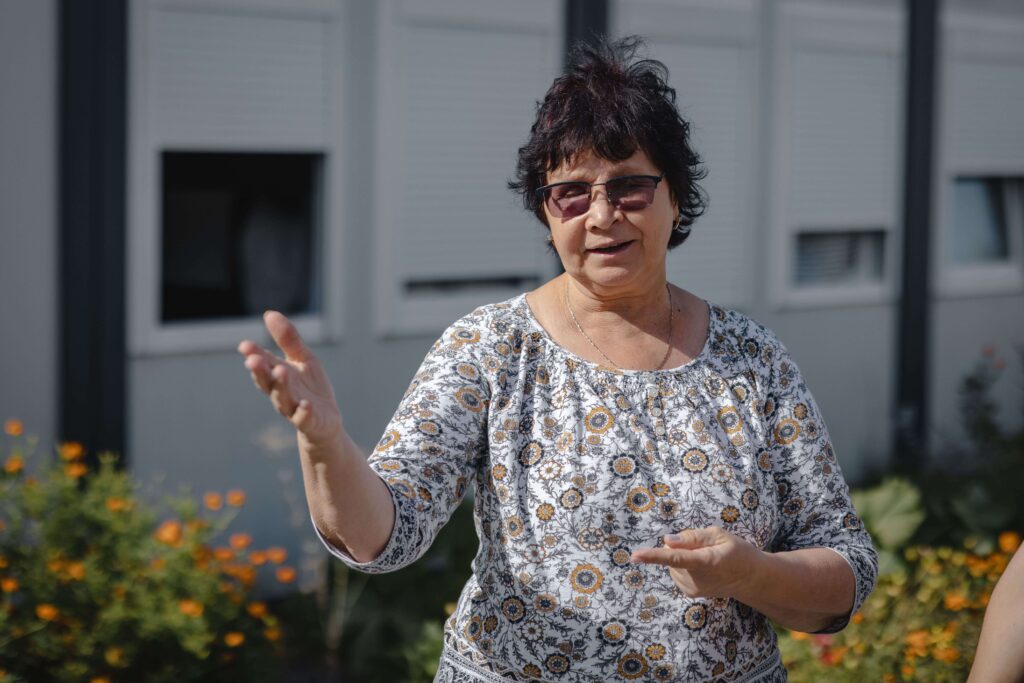
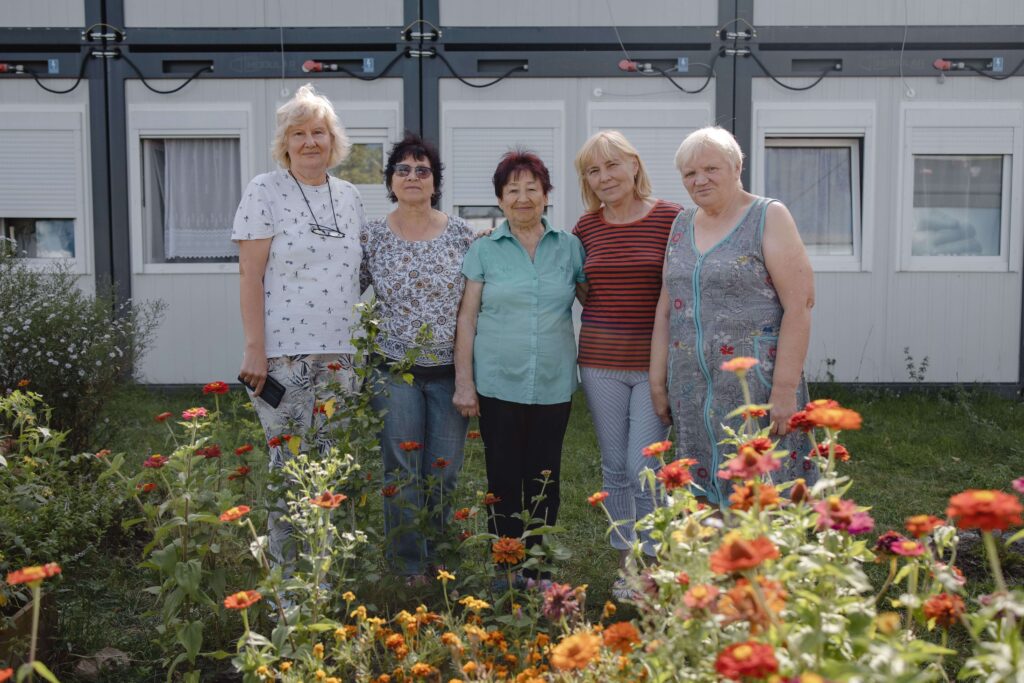
The largest modular town in Lviv, Mariapolis, has become a temporary home for hundreds of Ukrainians displaced by the occupation and hostilities. ‘There are no people here who came here out of happiness. Everyone lost their homes and some lost family members. Some people have husbands, sons, and brothers at war,’ says Olena Svietlova, a chemistry teacher from Lysychansk who came to Lviv for treatment after a serious injury. A fragment from an enemy rocket hit the woman in the face. Doctors fought for her life for three weeks.
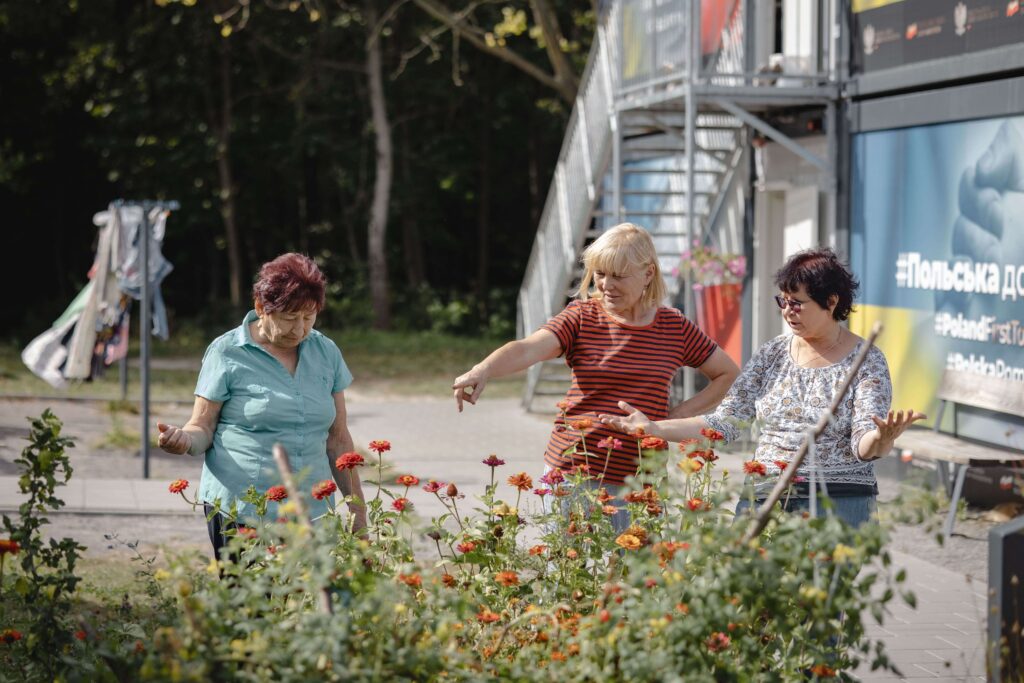
In the new city, Olena learns to live anew. She tries to extinguish her anxious thoughts with new, pleasant emotions and continues to teach chemistry. Together with their neighbours in the modular town, they have also organized a singing group, attended various workshops, and grown flowers and vegetables right under the windows of the modular houses. ‘Despite the difficult circumstances, such activities help to distract us, at least for a short time, to think about something eternal, about life,’ says Olena.
Many of her friends had dachas or plots of land in their hometowns, so working with the land makes them feel a little bit at home. Volunteers from the Rozsadnyk environmental education and nature therapy space responded to this need. They brought seeds and compost to Mariapolis and helped to equip the beds.
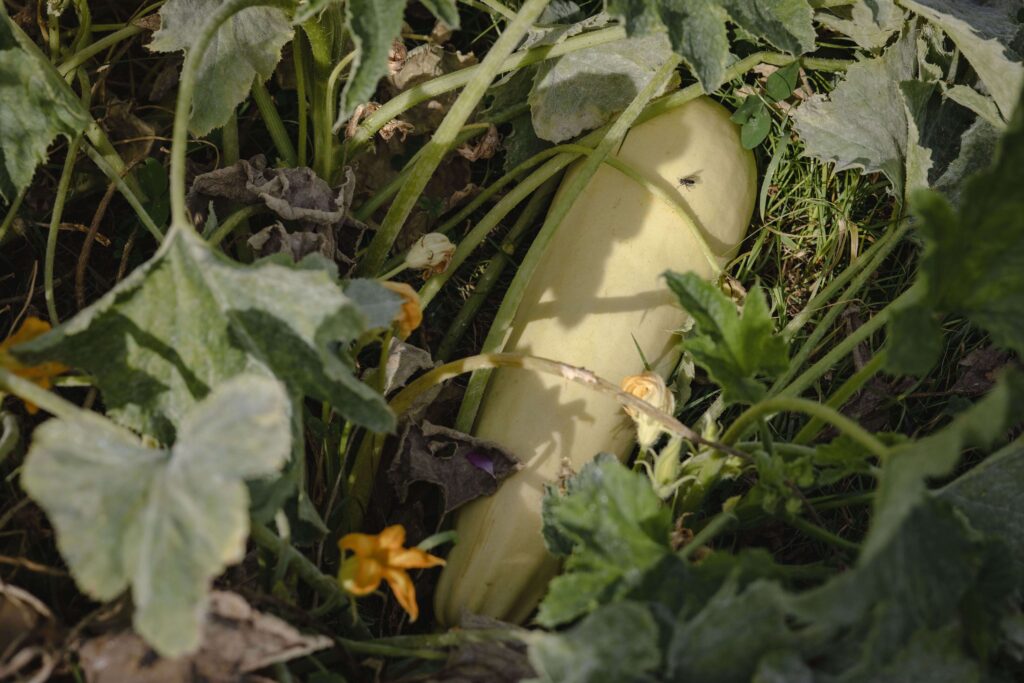
‘We planned small beds and planted flowers and vegetables – zucchini and peppers. Now we have a second crop of cucumbers blooming,’ Olena takes us on a tour of the beds and flower gardens. ‘And this is a cherry tomato, which we call a “giant”. We didn’t plant it. It was a seed that fell somewhere and has grown so big and tasty,’ says the woman about the meter-long bush dotted with tomatoes.
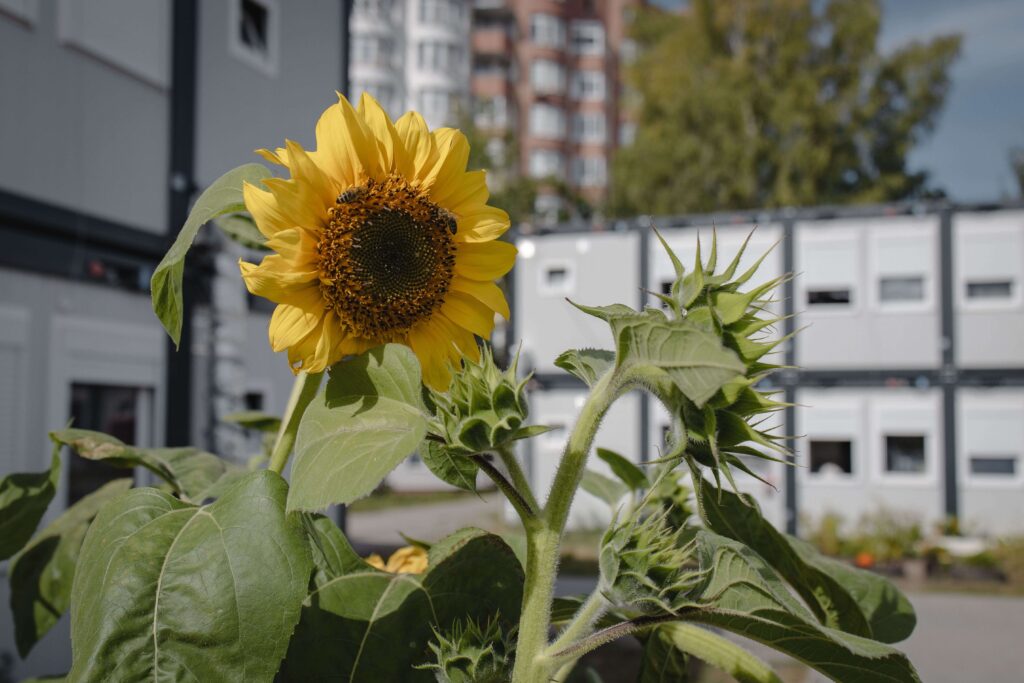
You can also see pumpkins, corn, and sunflowers in the town. The kind that often blooms in the fields of the Luhansk region, where Olena is from. ‘Everyone usually plants what they like, what reminds them of home. We grow to keep ourselves busy and thus bring victory closer. After all, everyone wants to return home,’ summarizes Olena Svietlova.
This material has been produced using funds of a Joint Project between the European Union and the Council of Europe. The views expressed in this material can in no way be taken to reflect the official position of the European Union or the Council of Europe.

